
Decorating your home beautifully does not require thousands of dollars. What it requires is strategy, layering, balance, and intentional styling.
Interior designers don’t rely on expensive furniture alone — they use lighting, texture, scale, color harmony, and small decorative accents to create expensive-looking spaces. The good news? Many of those impactful elements cost under $30.
THE DESIGN PRINCIPLES BEHIND AFFORDABLE DECOR
Before we dive into the 30 items, you need to understand what actually makes a room look expensive.
1. Layered Lighting
One ceiling light = flat space.
Multiple light sources = depth and warmth.
2. Texture Contrast
Mixing materials (wood, fabric, metal, ceramic, glass) adds richness.
3. Visual Balance
Heavier pieces balanced with lighter ones create harmony.
4. Negative Space
Not filling every corner makes a space feel calm and elevated.
5. Cohesive Color Palette
Stick to 2–4 main tones per room.
Now let’s apply these principles to affordable decor.
1. Wall Art Prints (The Anchor of Any Room)


4
Why It’s Foundational
Wall art defines the room’s personality. It anchors furniture and fills vertical space.
Budget Strategy
- Buy printable art and frame it
- Use large-scale single prints instead of many small ones
- Frame fabric samples for a custom look
Expert Placement Guide
- Center art at 57–60 inches from the floor
- Over sofa: artwork should be 2/3 width of sofa
- Leave 6–8 inches between furniture and art
Make It Look Expensive
Use oversized mats inside frames. Larger white space around art elevates the look.
2. Decorative Throw Pillows (Color & Texture Control)


4
Why Designers Love Pillows
They are flexible, affordable, and seasonally adjustable.
Texture Combinations
- Velvet + linen
- Knit + cotton
- Leather + boucle
Expert Tip
Use pillow inserts 2 inches larger than covers for fullness.
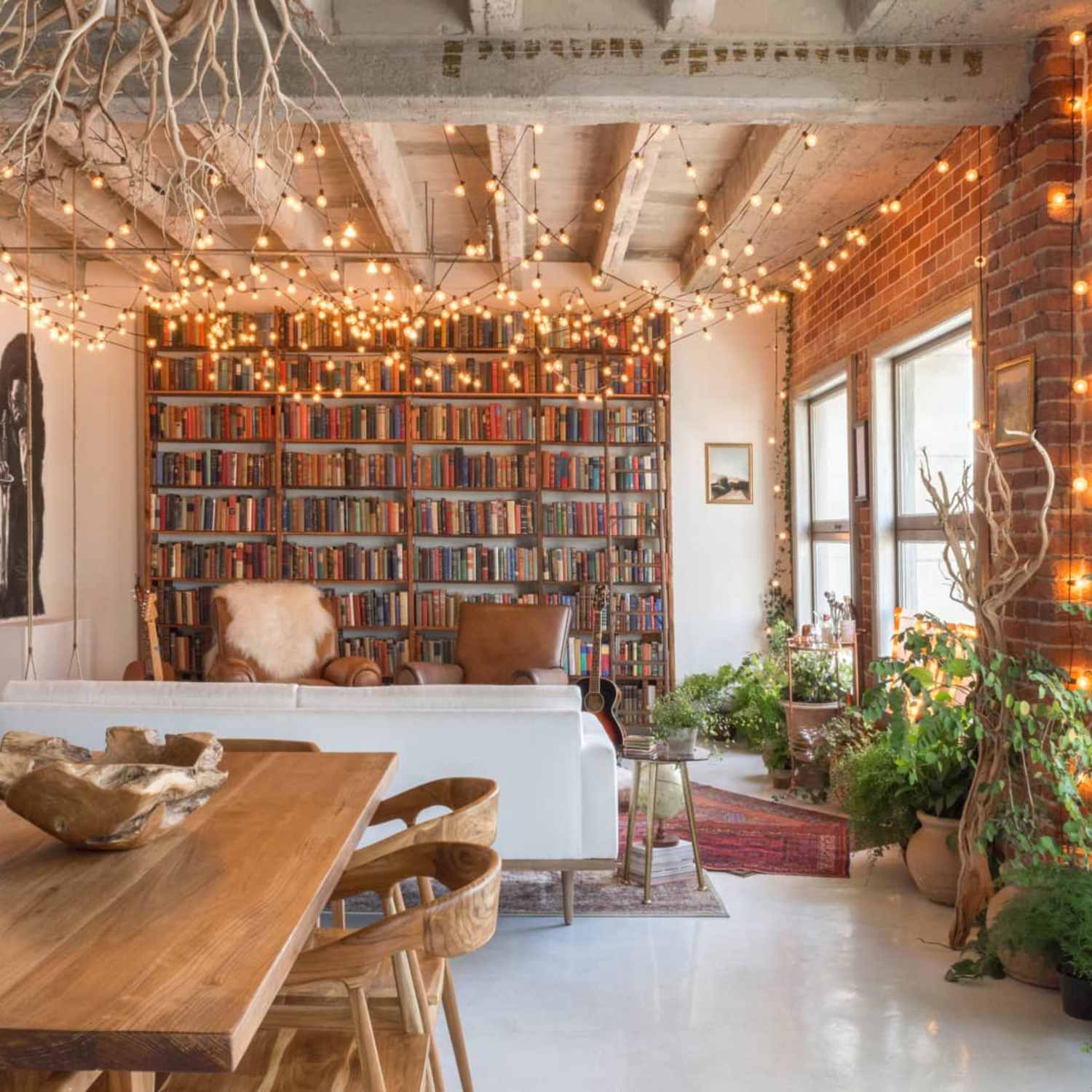
3. LED String Lights (Atmosphere on a Budget)


4
Lighting Psychology
Warm lighting reduces stress and increases comfort perception.
Strategic Placement
- Behind sheer curtains
- Under floating shelves
- Around mirrors
Avoid cool-toned lighting.
4. Decorative Mirrors (Spatial Expansion Tool)


4
How Mirrors Multiply Space
They reflect light and create visual depth.
Expert Rule
Place mirror opposite a window — never opposite clutter.
5. Indoor Plants (Organic Balance Element)


4
Why Greenery Matters
It softens hard surfaces and adds movement.
Designer Tip
Group plants in odd numbers (3 or 5).
6. Floating Wall Shelves (Vertical Styling Power)


4
Styling Formula
- 40% books
- 30% decor objects
- 20% greenery
- 10% empty space
Balance height variation.
7. Decorative Candles & Holders


4
Luxury Trick
Cluster 3 candles of varying heights on a tray.
Neutral wax colors look premium.
8. Accent Rugs (Grounding the Room)


4
Sizing Rule
Front legs of furniture should sit on rug.
Avoid rugs floating alone.
9. Table Lamps (Layered Lighting System)


4
Designer Standard
Use at least 3 light sources per room.
Warm bulbs only.
10. Decorative Wall Clocks


4
Choose simple face designs for timeless appeal.
11–20: Function Meets Style
(Images included per section)
11. Decorative Trays


4
Trays organize small items visually.
Use triangle composition for objects inside tray.
12. Photo Frames


4
Stick to one frame finish for consistency.
13. Wall Decals


4
Ideal for renters.
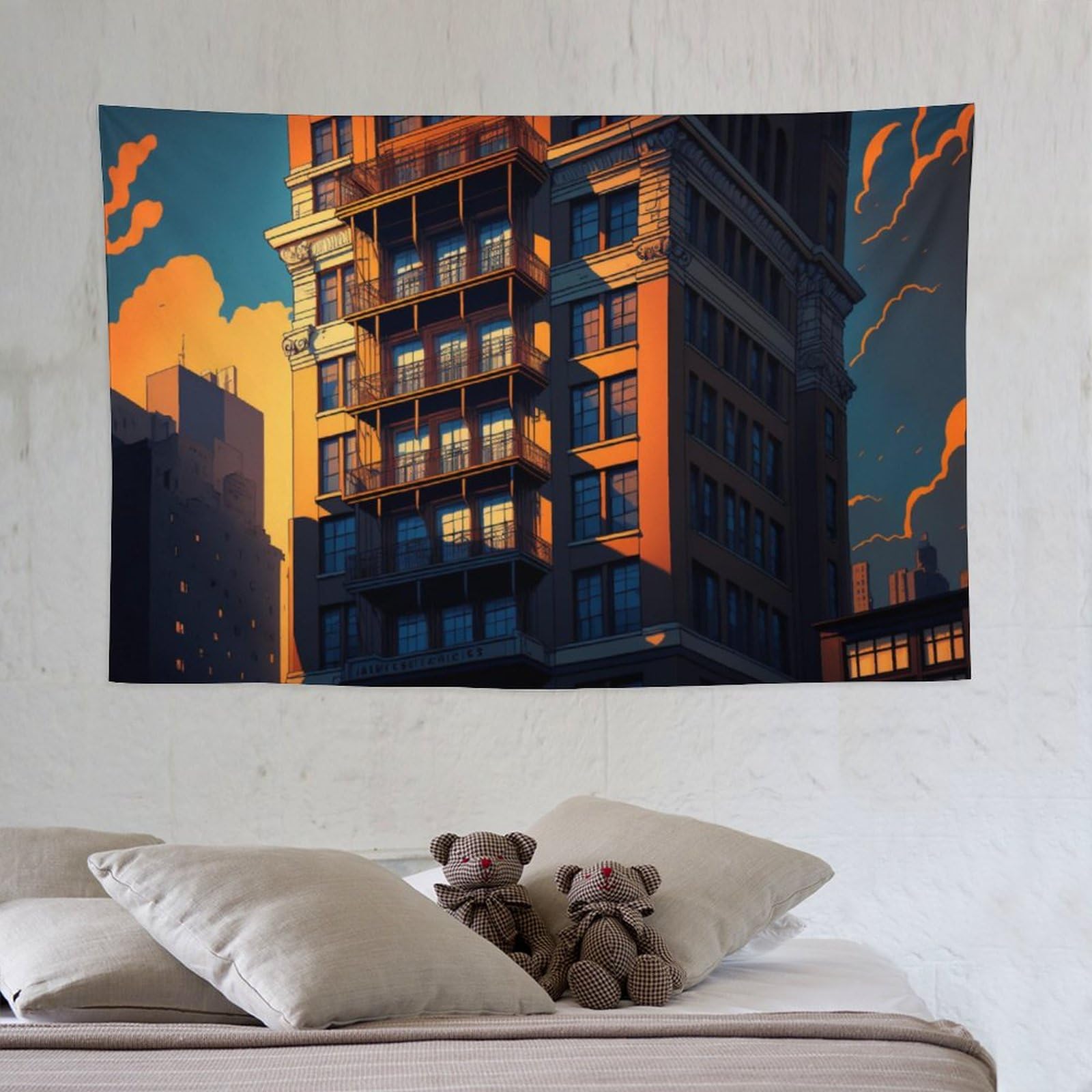
14. Fabric Tapestries


4
Cover large walls cheaply.
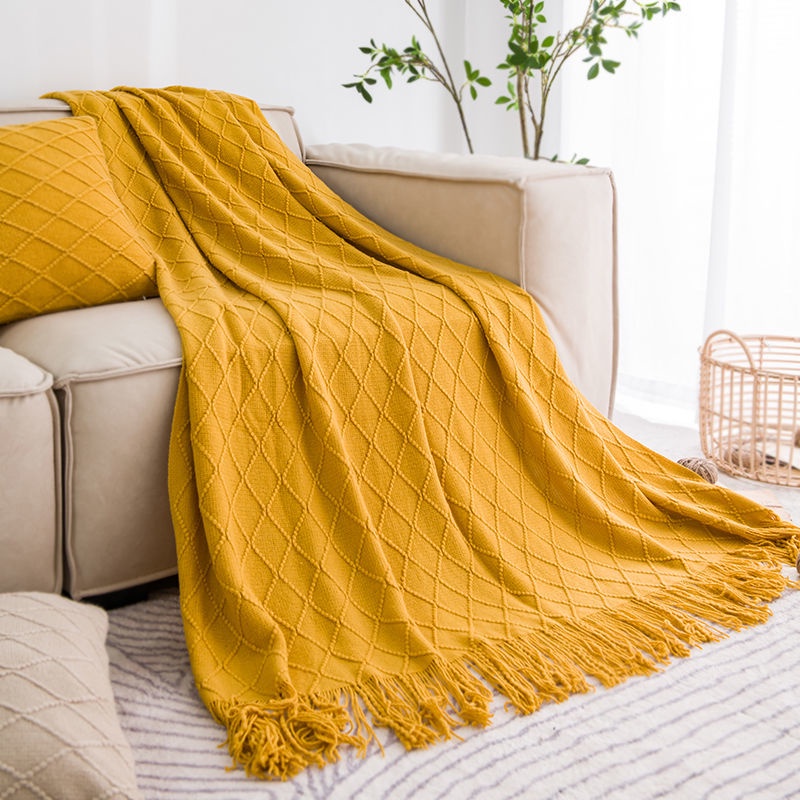
15. Throw Blankets


4
Drape asymmetrically.
16. Storage Baskets


4
Hide clutter elegantly.
17. Artificial Flower Bouquets


4
Choose muted tones.
18. Entryway Hooks


4
Organization equals visual calm.
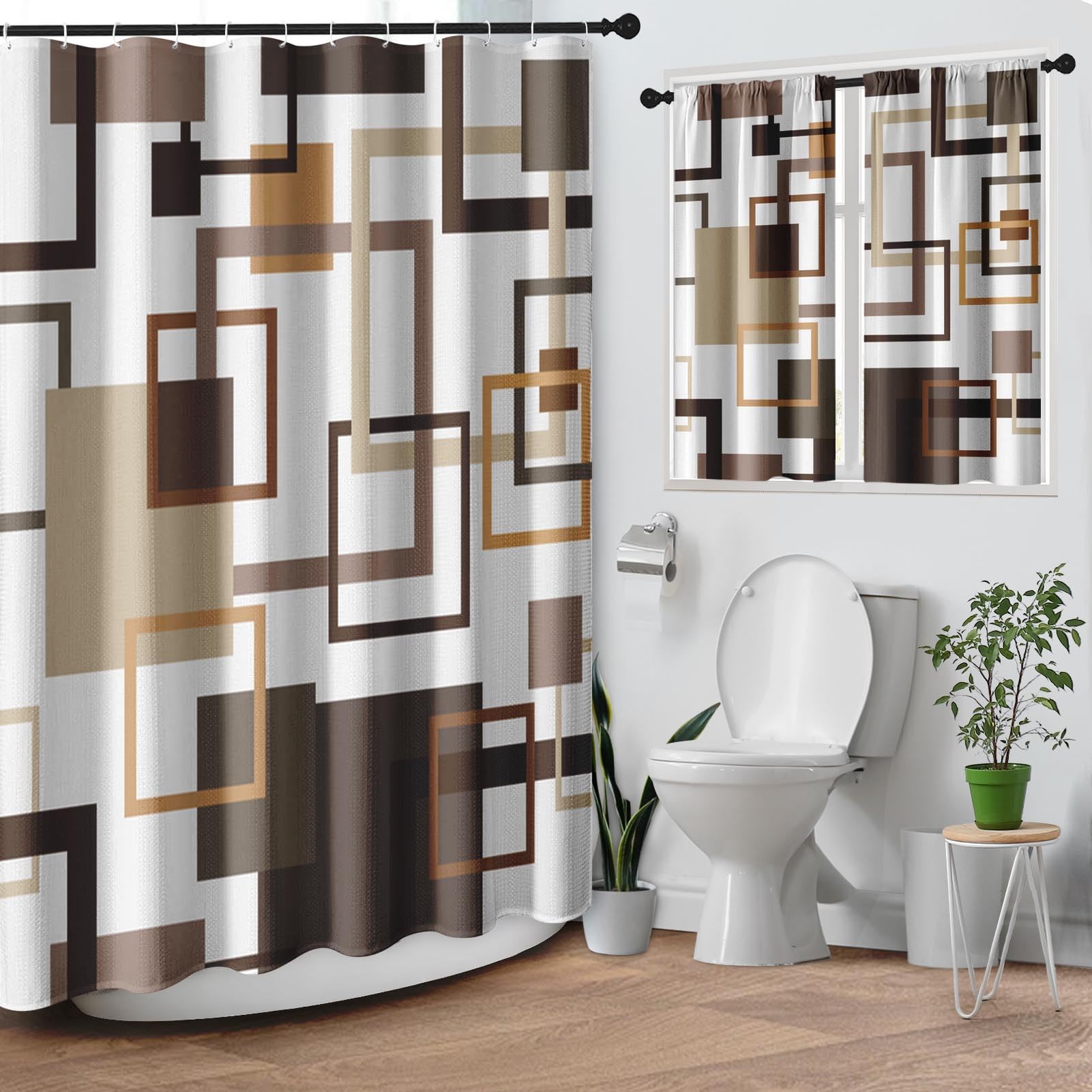
19. Shower Curtains


4
Instant bathroom transformation.
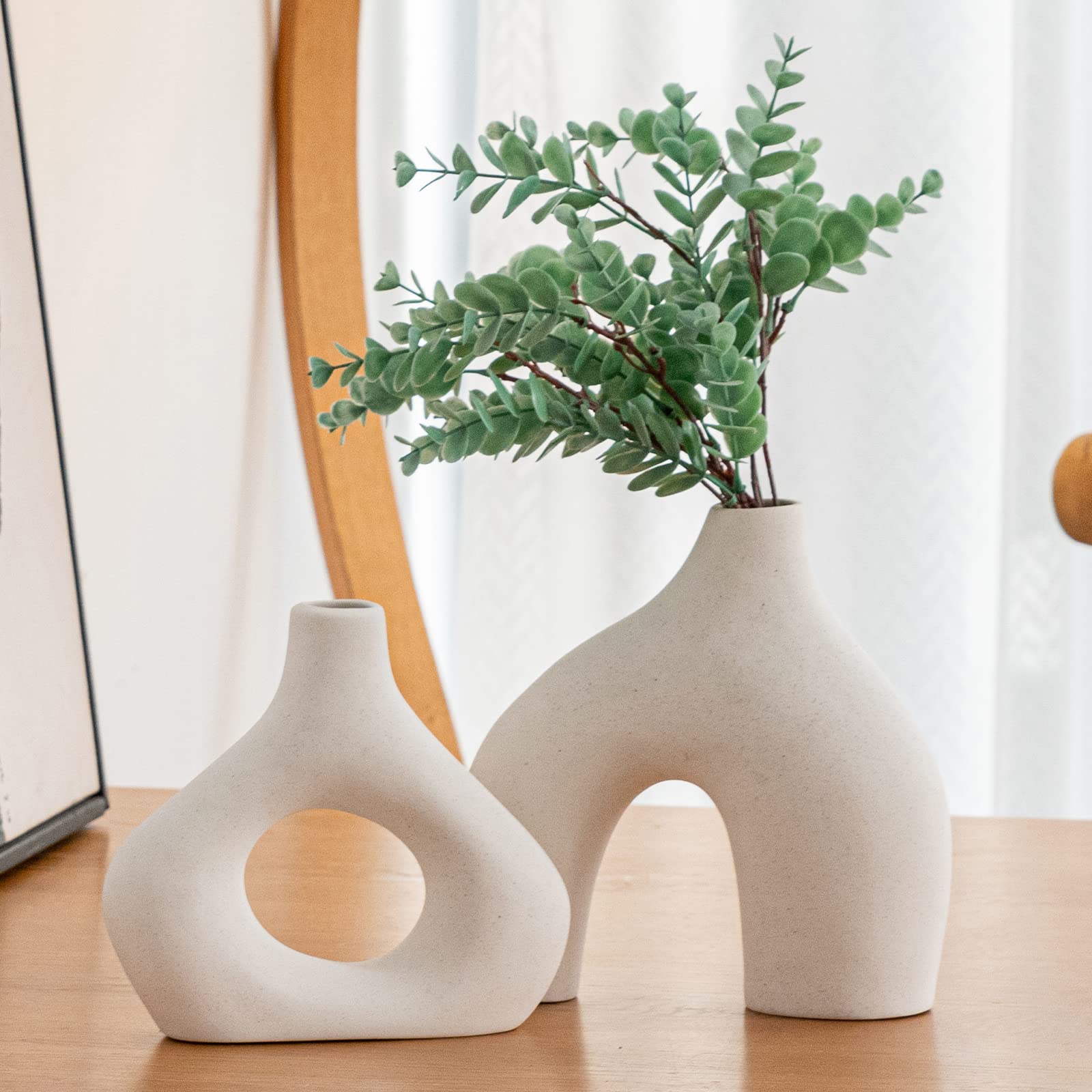
20. Accent Vases


4
Use odd-number groupings.
21. Coffee Table Books (The Effortless Luxury Layer)


4
Coffee table books instantly make a space feel curated and intentional. Designers use them to add height, color harmony, and personality.
Why They Work
- Add structure to empty tables
- Create layered styling
- Introduce subtle color coordination
Expert Styling Formula
- Stack 2–3 books
- Place a small object on top (candle, bead garland, or vase)
- Align spines for clean look
Make It Look Expensive
Choose neutral covers (beige, black, white, soft gray). Avoid overly busy covers unless they match your color palette.
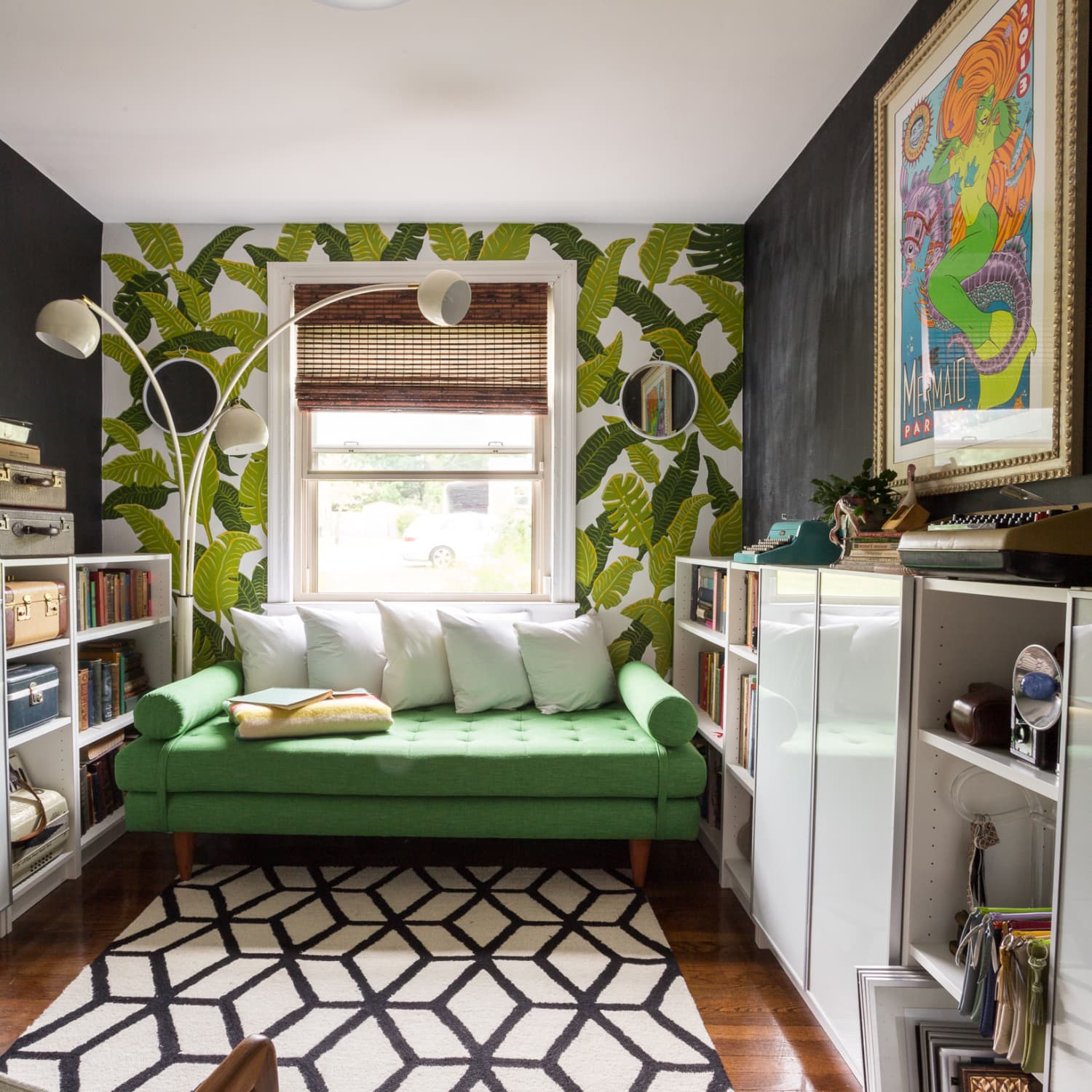
22. Peel-and-Stick Wallpaper (Instant Statement Wall)


4
Perfect for renters, peel-and-stick wallpaper transforms a wall without damage.
Best Areas to Use
- Behind the bed
- Entryway wall
- Bathroom vanity wall
- Inside bookshelves
Expert Tip
Use wallpaper on a single accent wall only. Too many patterned walls shrink a room visually.
Budget Hack
Even lining the back of open shelves creates a custom built-in look.
23. Chalkboard Wall Art (Functional + Decorative)


4
Chalkboard decor adds charm and functionality.
Ideal Placement
- Kitchen message board
- Entryway reminders
- Kids’ study area
- Coffee station
Styling Upgrade
Frame the chalkboard in wood or black metal for a polished look.
24. Curtain Tiebacks (Small Detail, Big Upgrade)


4
This tiny detail elevates curtains instantly.
Why It Works
- Makes windows look taller
- Adds elegance
- Creates natural light flow
Expert Placement
Install tiebacks slightly above midpoint of curtain for a lengthening effect.
Style Choice
Metal tiebacks feel modern. Fabric or rope styles feel cozy and boho.
25. Scent Diffusers (Invisible Luxury Element)


4
Luxury homes don’t just look good — they smell good.
Why It’s Important
Scent creates emotional comfort and memory connection.
Placement Ideas
- Entryway console
- Bathroom counter
- Bedroom nightstand
- Coffee table tray
Designer Tip
Choose neutral glass bottles with black or wood reeds.
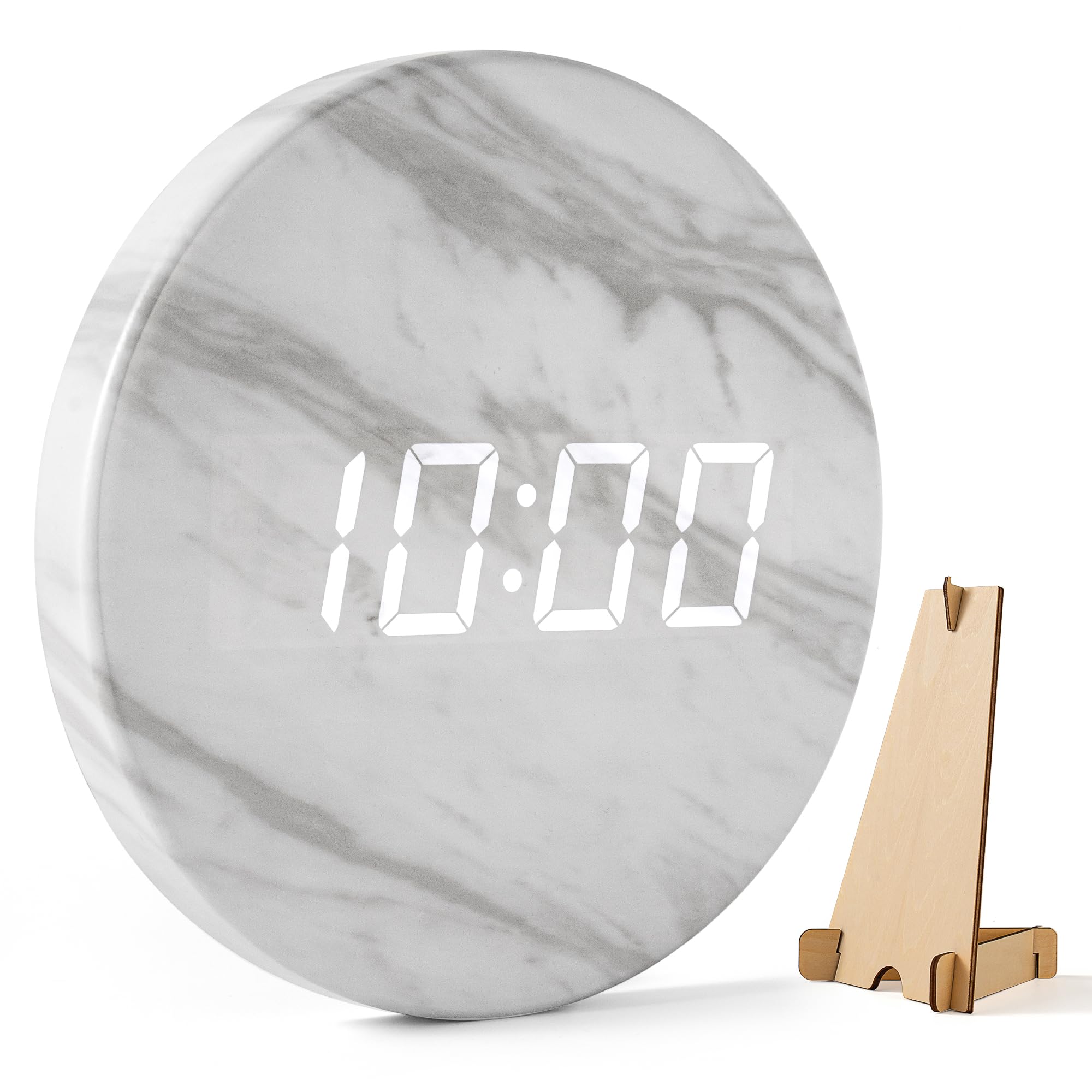
26. Bedside Alarm Clocks (Functional Styling Piece)


4
Even practical items can enhance decor.
Choose Simple Designs
- Black, white, wood, or metallic finishes
- Avoid bulky plastic styles
Styling Trick
Place clock on top of 1–2 stacked books for dimension.
27. Desk Organizers (Clutter Control = Calm Space)


4
A messy desk instantly lowers the perceived value of a space.
Best Materials
- Wood
- Matte metal
- Clear acrylic
Pro Styling Tip
Keep 30% of desk surface empty for a clean, high-end look.
28. Decorative Bookends (Subtle Shelf Upgrade)


4
Bookends turn ordinary shelves into styled displays.
Why Designers Use Them
They:
- Create structure
- Add symmetry
- Add visual weight
Styling Tip
Pair with horizontal book stacks and a small plant.
29. Doormats (The First Impression Piece)


4
Your decor starts before guests even walk inside.
Upgrade Trick
Layer a patterned outdoor rug underneath a simple welcome mat.
Choose Neutral Tones
Black, natural fiber, or subtle patterns feel more upscale.
30. Kitchen Countertop Organizers (Stylish Functionality)


4
Kitchens look expensive when they look intentional.
What to Organize
- Cooking oils
- Coffee station
- Utensils
- Spices
Designer Formula
Group items on a tray or in matching containers for cohesion.
ROOM-BY-ROOM BUDGET STRATEGY
Living Room
Focus on:
- Pillows
- Rug
- Lamp
- Wall art
- Tray
Bedroom
- Throw blanket
- Bedside lamps
- Art above bed
- String lights
Bathroom
- Shower curtain
- Small plant
- Tray for toiletries
Entryway
- Mirror
- Hooks
- Small rug
COMMON BUDGET DECOR MISTAKES
- Buying too small items
- Overcrowding shelves
- Mixing too many colors
- Using cool white lighting
- Ignoring negative space
ADVANCED FAQ
Is decorating under $30 per item realistic long-term?
Yes. Small upgrades layered gradually create full transformation.
What makes decor look cheap?
Plastic shine, clutter, mismatched colors.
How often should I refresh decor?
Seasonally swap small accents.
Should I DIY?
If it improves scale and quality — yes.
FINAL EXPERT THOUGHTS
Luxury is not about cost — it’s about intention.
With thoughtful layering, warm lighting, balanced styling, and cohesive colors, you can create a space that feels calm, stylish, and expensive — all while staying under $30 per piece.
25 Must-Have Easter Decorations to Buy in 2026
20 Amazon Easter Decorations That Sell Out Fast (2026 Guide)

